
Victim Mentality: Signs, Causes, and How to Overcome It
30 January 2026

A victim mentality, also known as a victim complex, is a learned mindset in which people perceive themselves as powerless and unfairly treated by others or life circumstances.
This psychological pattern can lead to negative thinking, unhealthy relationship dynamics, and other adverse outcomes. And, while anyone can develop it, some Enneagram types are more susceptible to it than others.
In this article, we’ll discuss victim mentality in-depth, including its signs, causes, effects, and connection to the Enneagram framework.
What Is Victim Mentality?
A victim mentality is a psychological state in which people believe they have no control over the things that happen in their lives. This mindset often develops as an unhealthy coping mechanism, making it a learned behavior.
People with a victim complex see challenges as insoluble problems, blame other people or circumstances for their difficulties, and engage in negative self-talk.
This creates an endless loop, as a negative mindset, reluctance to take accountability, and poor self-image intensify feelings of powerlessness. And the more powerless you feel, the less likely you are to take action to change your life, which further reinforces self-victimization.
Victim Mentality vs. Real Victimization
Understanding the difference between a victim mentality and real victimization is crucial for healing and getting the right kind of support. Both phenomena can happen due to traumatic experiences, yet real victimization isn’t the same as a victim mindset, and not everyone who is victimized develops this mentality.
Real victimization occurs when a person experiences physical or emotional harm, abuse, or injustice. It isn’t a state of mind; it’s an external event that happens to someone, and acknowledging it is necessary for healing. Although it can affect your behavior, emotions, and thoughts, real victimization doesn’t consume your identity.
By contrast, a victim mentality develops when being a victim becomes your whole identity, and it permeates all areas of your life. Even when circumstances change, people with this mindset continue to victimize themselves.
And, while real victimization usually causes people to seek support and can promote resilience and growth once processed, a victim mindset often prevents people from healing; they believe they are doomed to suffer, even when help is available.
5 Signs You May Have a Victim Mentality

Some signs that may indicate that you have a victim mentality include negative self-talk, self-pity, and a lack of accountability. If you constantly feel powerless or tend to blame others for your misfortunes, you may also struggle with self-victimization.
Below is a more detailed overview of these signs:
#1. Constantly Blaming Others
People with a victim complex often feel like the entire world is plotting against them and adopt a blame mindset, which reinforces the belief that others are responsible for their suffering.
Therefore, if you feel as though other people, external circumstances, or simply “bad luck” are to blame for everything that goes wrong in your life, you may have developed the mindset of a victim.
#2. Avoiding Responsibility
A lack of accountability is a telltale sign of a victim mentality, which is precisely why those who display it believe that others are at fault for the negative events in their lives. You may have adopted this mentality if you:
- Keep waiting to be rescued
- Avoid taking ownership of your life
- Expect others to fix your problems for you
- Shift responsibility to others when making decisions
- Refuse to take responsibility for your actions and their outcomes
#3. Feeling Powerless
Self-victimization can make you feel entirely powerless; you may hold on to the belief that no matter what you do, nothing will change, and that nothing in your life really depends on you.
Such beliefs can perpetuate feelings of hopelessness and passivity. As a result, you may stay in jobs that drain you, relationships that don’t satisfy your needs, and other situations that no longer serve you, even when change is possible.
#4. Engaging in Negative Self-Talk
A negative, discouraging, and critical inner dialogue often signals a victim mentality. Worse yet, it lowers your self-worth and reinforces self-defeating beliefs, which only makes you more likely to stay stuck in self-victimization.
Here are some common examples of negative self-talk that may indicate a victim mindset:
- “Life is unfair.”
- “I’m a total failure.”
- “I’m not good enough.”
- “Nothing I do ever goes right.”
- “I can’t change my life, so why even try?”
- “Everyone’s always taking advantage of me.”
- “Bad things always happen to me; others are so much luckier.”
#5. Wallowing in Self-Pity
Self-pity fuels the victim mentality, keeping you fixated on negativity, pain, and unfairness. Instead of seeking solutions to problems and healing, you may feel sorry for yourself and unconsciously use suffering to gain attention or validation from others while ignoring their advice.
Common Causes of Victim Mentality
The most common causes of victim mentality include dismissive parenting, repeated situations that make you feel helpless, betrayal, and toxic relationships. Ultimately, this mindset usually develops as a response to unhealed past trauma.
Let’s take a closer look at the main causes of victim mentality:
- Betrayal. Betrayal of trust, whether from a parent, close friend, or romantic partner, is a deeply painful experience that can change your perception of others and yourself. After being betrayed, you may internalize the belief that you can no longer trust others and that pain is inevitable, which can lead you to adopt a victim mindset.
- Toxic relationships. Repeated manipulation, constant control, gaslighting, and other unhealthy relationship patterns can quickly erode your self-confidence and self-worth. As a result, you may start to believe that your voice and needs no longer matter, leading to self-victimization.
- Dismissive parenting. Unhealed childhood trauma often leads to a victim mentality, which can persist well into adulthood. Children with neglectful or dismissive parents may learn to adopt the role of a victim to gain their parents’ attention, care, and validation, carrying this behavioral pattern over into their adult relationships.
- Repeated exposure to uncontrollable situations. Repeatedly experiencing unpleasant or traumatic situations in which you have little or no control can make you feel trapped and powerless. This can lead to learned helplessness, which can prompt a victim mindset.
How Victim Mentality Impacts Your Life
A victim mentality can have a detrimental impact on both your personal and professional life, and you may not even realize it at first. It impedes personal growth and distorts your perception of reality, making you feel powerless, even when it’s not the case. As a result, it strips away your agency and confidence, leaving you disempowered.
Once you develop a victim mindset, your communication style may change drastically. A study by Manfred F.R. Kets de Vries suggests that individuals with this mentality interact with others in a passive-aggressive manner. Instead of voicing their needs and emotions, they withdraw, make excuses, and blame others, which can damage relationships.
This mindset can substantially limit your professional growth by causing you to perceive feedback as a personal attack. You may take setbacks to heart, believing you’ll never be successful. This belief can also cause you to reject opportunities that could facilitate your professional development.
Worse yet, a victim mentality can suck the joy out of your life; instead of seeking growth and pleasure, you may resort to self-sacrifice and self-sabotage. You surround yourself with people who reinforce your self-victimization and stay in disappointing situations, even when better options are available.
Unfortunately, it’s also not uncommon for people struggling with self-victimization to develop even unhealthier coping mechanisms, such as addictions, once hopelessness becomes their dominant emotional state.
Victim Mentality in Romantic Relationships

A victim mentality can harm romantic relationships, feeding into unhealthy or even toxic interpersonal dynamics.
Those struggling with this mindset often feel deserving of disrespect and mistreatment, which can unconsciously attract them to unbalanced dynamics. They refrain from expressing their needs and are sensitive to criticism, making honest communication challenging. Because they take things very personally, their partners may also avoid voicing their concerns.
This mindset makes people more susceptible to codependency and other toxic dynamics, as they seek to be rescued instead of fixing their own problems. This can strain the relationship and cause both parties to feel hopeless and resentful. After all, a victim mentality can make it nearly impossible for people to accept help.
Still, some people may unknowingly reinforce a victim mentality in their significant others by going above and beyond to “fix” and accommodate them, which rarely yields results. Furthermore, a victim mentality can impede conflict resolution in relationships, as one party refuses to take accountability, and the other is blamed for everything.
Victim Mentality and the Enneagram
Any Enneagram type can adopt a victim mentality, especially when they’re unhealthy. However, some personality types are less likely to fall into it than others due to their unique fears and motivations. Type 8, for instance, fears losing control of their lives; they rarely, if ever, give in to self-victimization, as it clashes with their desire for power and autonomy.
Meanwhile, the following types are most likely to fall into a victim mindset:
- Type 4.They often feel misunderstood and different from others. When unhealthy, they may fixate on their pain and suffering, internalizing the belief that life is unkind and happiness is always out of reach.
- Type 6. Sixes are driven by a desire for security. Their unhealthiness often manifests as distrust, anxiety, and self-doubt; they feel like the world is dangerous, perpetuating a feeling of powerlessness that can lead to self-victimization.
- Type 9. These are harmony-seeking individuals who avoid conflict. When unhealthy, they may suppress their needs and desires altogether, becoming passive. They also often believe they have no other choice but to surrender to life’s circumstances.
Nonetheless, no Enneatype is immune to self-victimization. Threes, for example, typically have no shortage of self-confidence; however, repeated failure can cause them to internalize shame, leading them to believe that their worth and success no longer depend on them.
On this note, let’s explore the most effective strategies for overcoming a victim mentality that can be useful to anyone, regardless of personality type.
How to Overcome Victim Mentality: 5 Powerful Strategies

Here are five effective strategies that can help you overcome a victim mentality and take back control of your life:
- Acknowledge self-victimization. You can’t solve a problem if you aren’t aware of it, so the first step of overcoming self-victimization is learning to recognize it. Try to notice when you slip into a victim mindset without judging yourself, paying attention to patterns of self-pity, powerlessness, and blame.
- Show compassion for yourself. Self-compassion is key to escaping the victim mentality. So, be kind to yourself and treat yourself with the same level of respect and support you’d treat a friend. Remind yourself that there’s no shame in feeling hurt or hopeless, especially if you’ve gone through traumatic experiences.
- Take ownership of your life. To truly heal from a victim mentality, reclaim your agency and start making decisions for yourself, no matter how small. By taking accountability for your actions, choices, and their outcomes, you can overcome feelings of powerlessness and build stronger self-esteem.
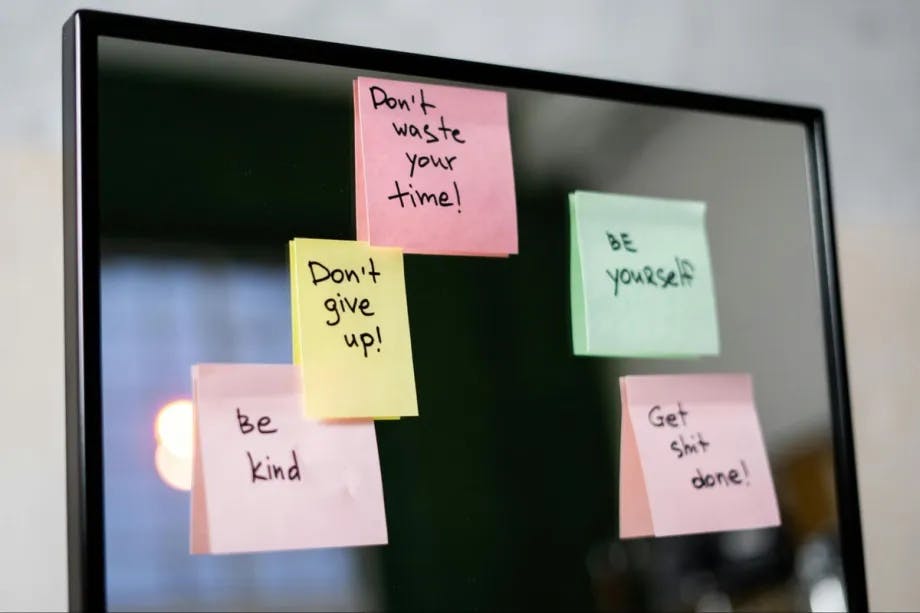
- Challenge your inner critic. Instead of giving in to negative self-talk, question your inner critic and replace it with a kinder, more empowering voice. Positive affirmations (e.g., “Even if I fail, I can try again and grow.”) can change your self-perception and shift from a fixed to a growth mindset, helping you overcome self-victimization.
- Seek professional help. Overcoming a victim mindset is much easier with professional help, so don’t hesitate to reach out to a mental health counselor or a therapist. They can help you identify self-victimization patterns, address unresolved trauma, adopt healthier coping mechanisms, and support your healing in other ways.
Key Takeaways
A victim mentality can make you feel defeated, but the good news is that you don’t have to be stuck in it; change is always an option.
Let’s wrap up this article with a brief summary:
- Some signs that you may have a victim mindset include a lack of accountability, negative inner dialogue, and perpetual self-pity.
- This mentality usually results from unhealed trauma stemming from childhood neglect, toxic relationships, betrayal, and repeated uncontrollable situations.
- You can develop a healthier mindset by acknowledging self-victimization, practicing self-compassion, taking responsibility for your life, and challenging negative self-talk; if needed, don’t hesitate to speak with a professional.
Victim Mentality FAQs
#1. Is a victim mentality toxic?
A victim mentality can be toxic if not addressed. This is because self-victimization prevents people from taking responsibility for their actions and their outcomes, keeps them stuck in helplessness, and blocks personal growth, all of which can lead to or perpetuate unhealthy behavioral patterns.
#2. What personality plays the victim?
People of all personality types can play the victim, but this behavioral pattern is especially common among individuals with an external locus of control and low self-esteem. Researchers at Lakehead University also found a correlation between narcissism and the tendency for interpersonal victimhood.
#3. Can anyone develop a victim mentality?
Yes, anyone can develop a victim mentality, especially after traumatic events, chronic stress, or repeated setbacks. Luckily, a victim mindset isn’t a fixed personality trait, meaning you can overcome it with self-awareness, inner work, or, if needed, professional help.


You may also like

Enneagram Motivations: Discover What Moves You
26 June 2024
